Advanced Stage Pelvic Organ Prolapse
Pelvic organ prolapse (POP) is a common condition, usually caused by childbirth. For women in developed countries, POP can be diagnosed easily and treated early. But in Ethiopia, where women in rural areas have little access to healthcare, this condition can worsen if left untreated, resulting in Advanced Stage Pelvic Organ Prolapse.
What is Advanced Stage Pelvic Organ Prolapse?
Prolapse, in its basic form, is when a woman’s pelvic floor muscles are weakened due to stretching or tears, allowing the pelvic organs such as the bladder, uterus or rectum to descend into the vaginal canal.
There are different types of prolapse, with doctors using a grading system – from stage 1 to stage 4 – to define the extent.
Advanced stage POP occurs at stage 3 and stage 4. This is when one or more of the pelvic organs protrude, causing significant discomfort, pain, and disruption in daily life. Women with this condition require surgical treatment.
Types of Prolapse
Diagram credit: Clearblue
Stage 0
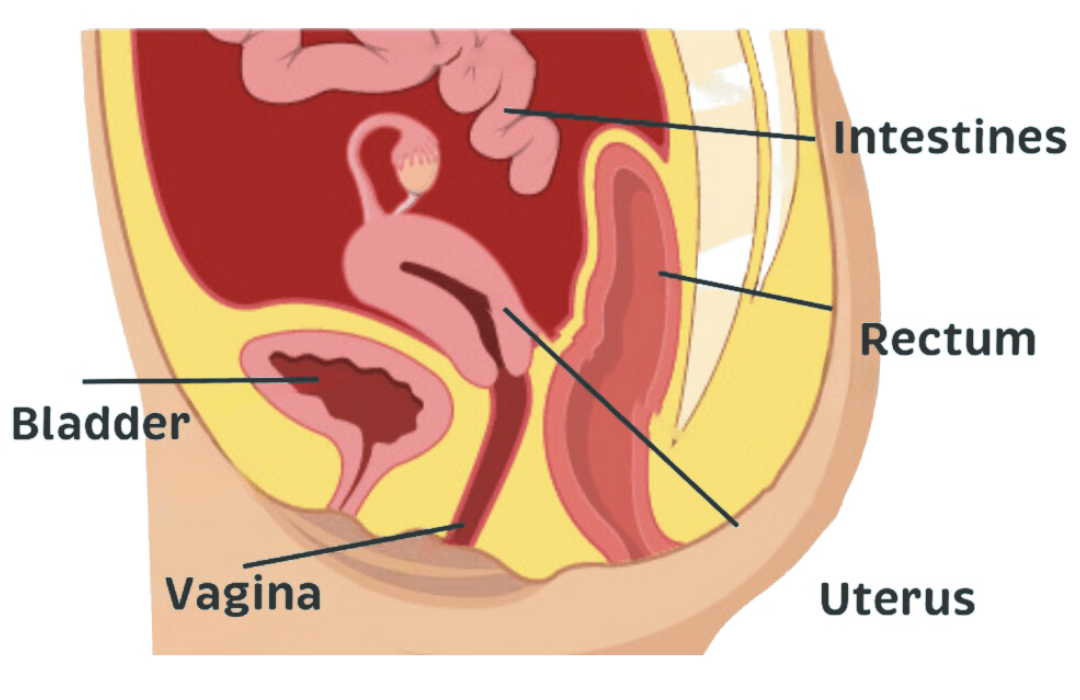
No prolapse
Stage 1
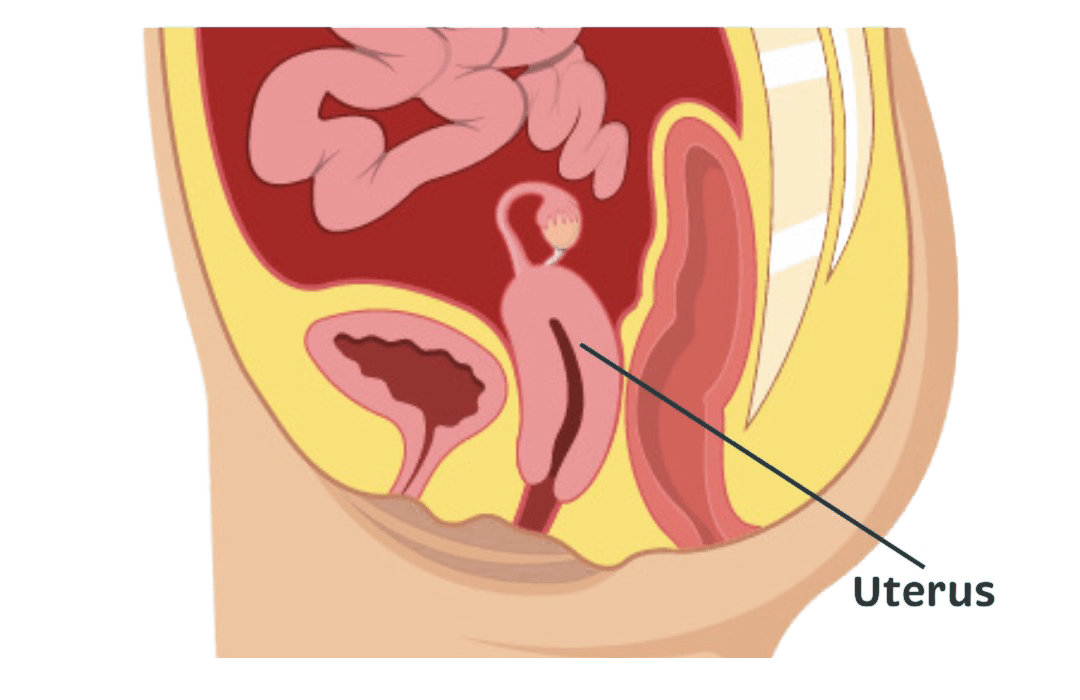
Mild prolapse; pelvic organs still supported
Stage 2
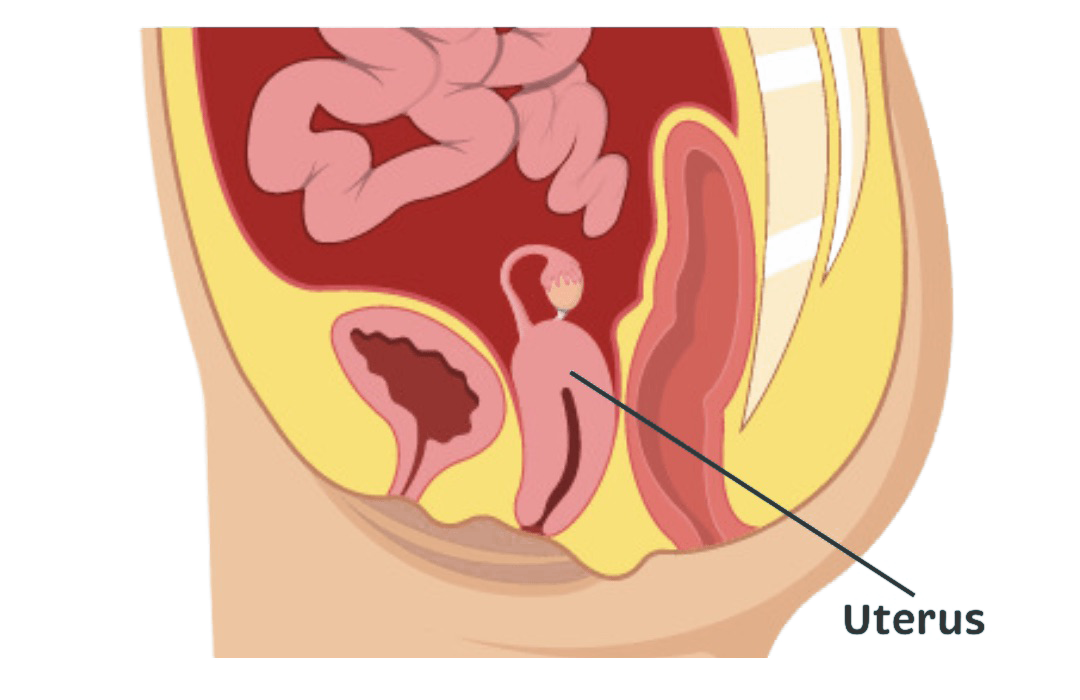
Pelvic organs have begun to drop but are still contained
Stage 3
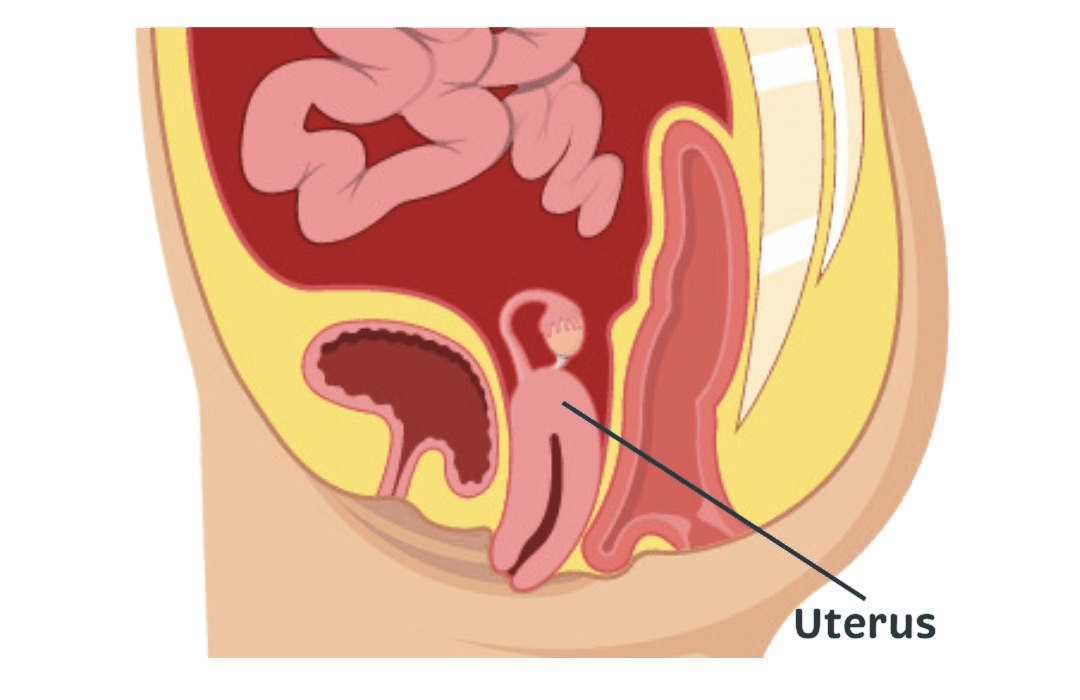
Pelvic organs have dropped to or beyond vaginal opening
Stage 4
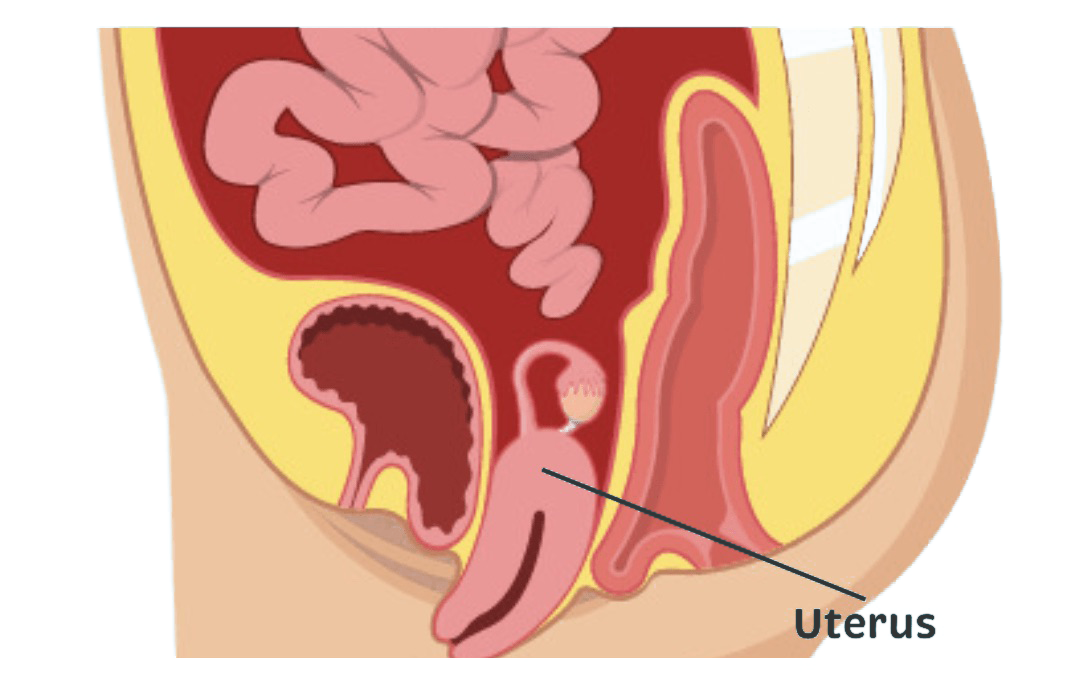
Pelvic organs have fallen through vaginal opening
The challenges facing women in Ethiopia
Pelvic organ prolapse affects millions of women globally. In Ethiopia, however, studies find the prevalence of POP particularly high at almost 23%, or 1 in 4 women.
This can be attributed to a range of causes. In Ethiopia, women are more likely to give birth at an early age, and also have high fertility rates. Childhood malnutrition, the challenge of accessing nearby healthcare services in rural areas, and women undertaking arduous physical work, particularly in agriculture, are also contributing factors.
Women presenting at hospitals are often experiencing advanced stage POP and complications including infections and ulceration. Kidney obstruction and an inability to pass urine can result in damage to the kidneys if a prolapse is left untreated.
According to research, women may also be reluctant to seek help, due to their personal fear of disclosing the problem and potentially experiencing stigma or losing social value as a result.
How Hamlin is Helping
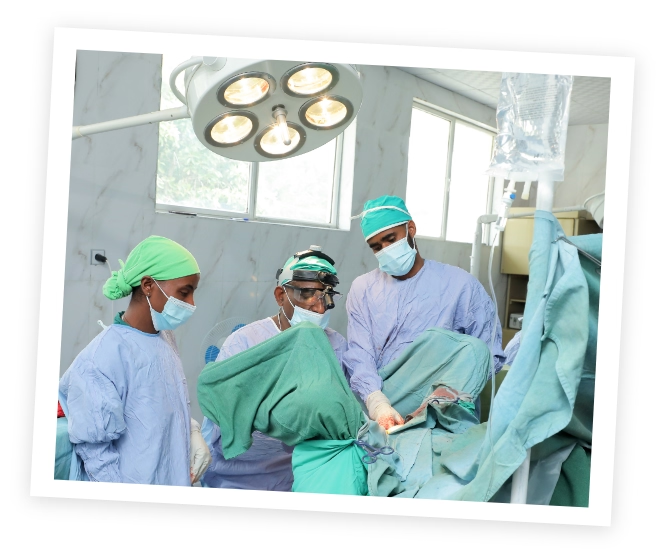
All six Hamlin Hospitals provide a range of gynecological treatments to women, including obstetric fistula and advanced POP surgery.
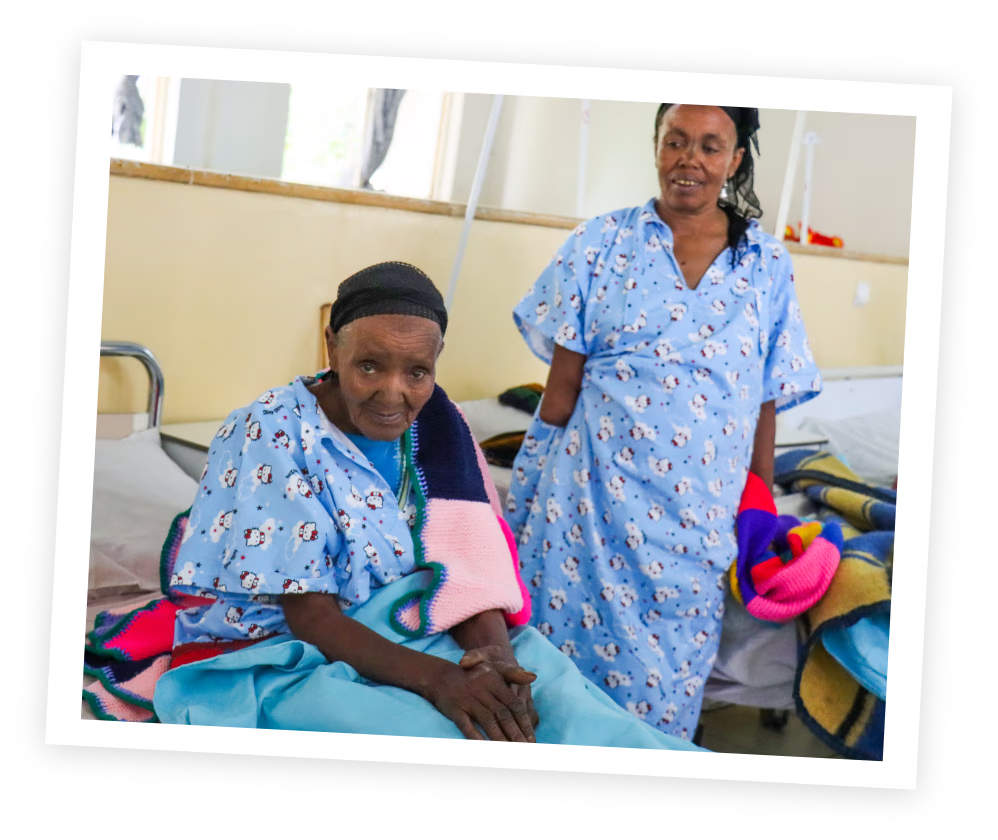
For women like Hosana, this has been life-changing.
Many of the women benefiting from this life-altering treatment often lack the financial means to cover its cost. Their treatment is offered free, thanks to generous donors from the US and around the world.
More About What We Do
Treatment
Obstetric Fistula Stories


(ABN58159647499) Catherine Hamlin Fistula Foundation is fiscally sponsored by Myriad USA (formerly King Baudouin Foundation United States - KBFUS) (EIN582277856) and Myriad Canada (RCO769784893RR0001).