Genet: a story of transformation
May 07, 2026
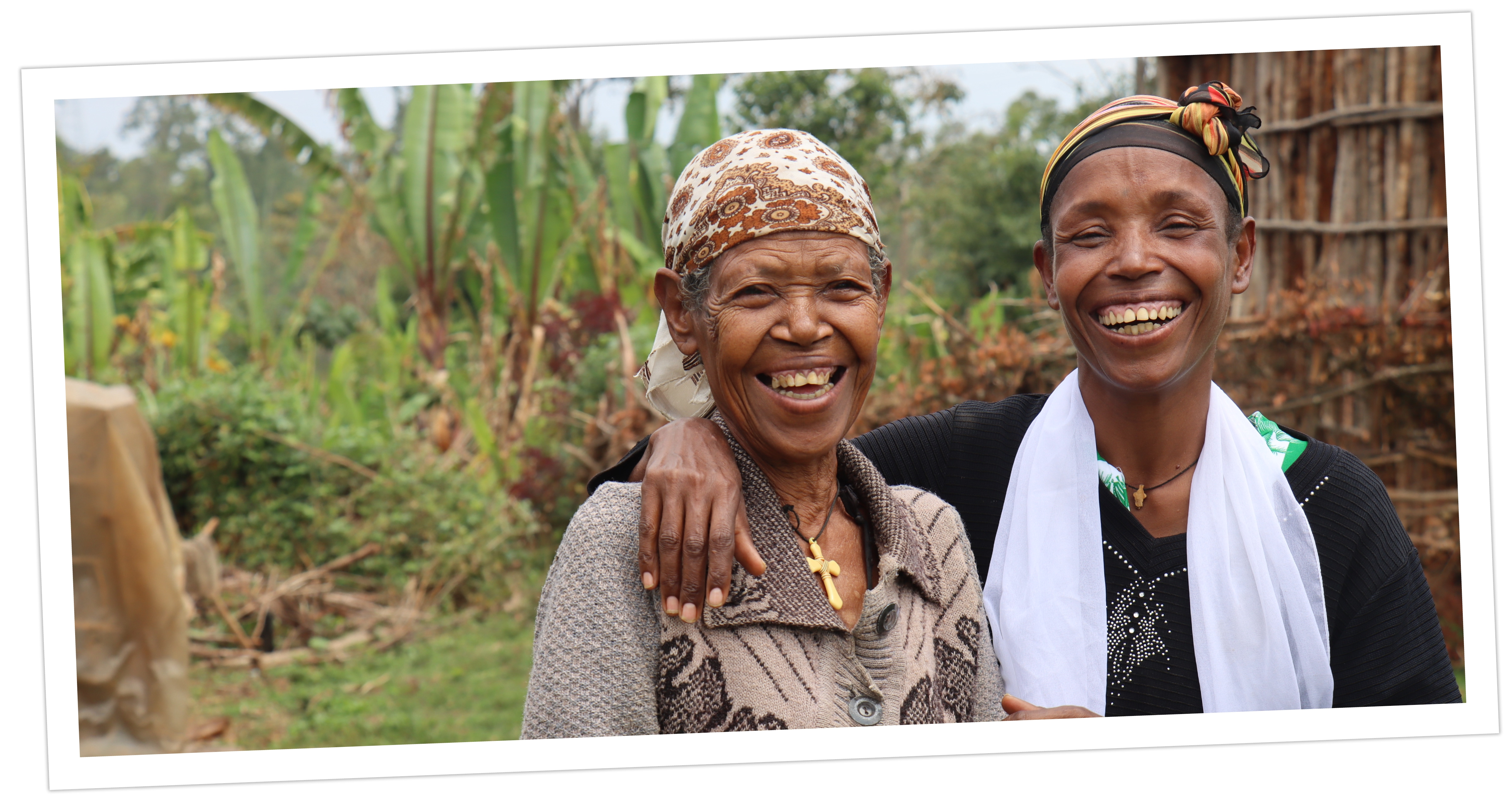
Earlier this year, Tewodros of Kidus Studios in Ethiopia travelled to south-western Ethiopia to meet Genet, who had recently been found by a Hamlin Patient Identification Officer.
Living five hours from the capital, Addis Ababa, in one of Ethiopia’s remote rural villages, Genet had suffered the devastation of obstetric fistula for 17 years.
An experienced photojournalist, Tewodros documented Genet’s healing journey: from leaving her small village for the first time, nervous but hopeful, to the treatment she received at Hamlin’s Addis Ababa Fistula Hospital, and finally her return home, healthy and ready to begin life anew.
Through his interviews and visual storytelling, Tewodros captured the extraordinary transformation that can take place when women with childbirth injuries are found, supported and given access to compassionate, expert care.
For this photo story, we invited Tewodros to share the stories behind the lens, highlighting the long road so many women must travel in search of healing.
Rural life in Ethiopia
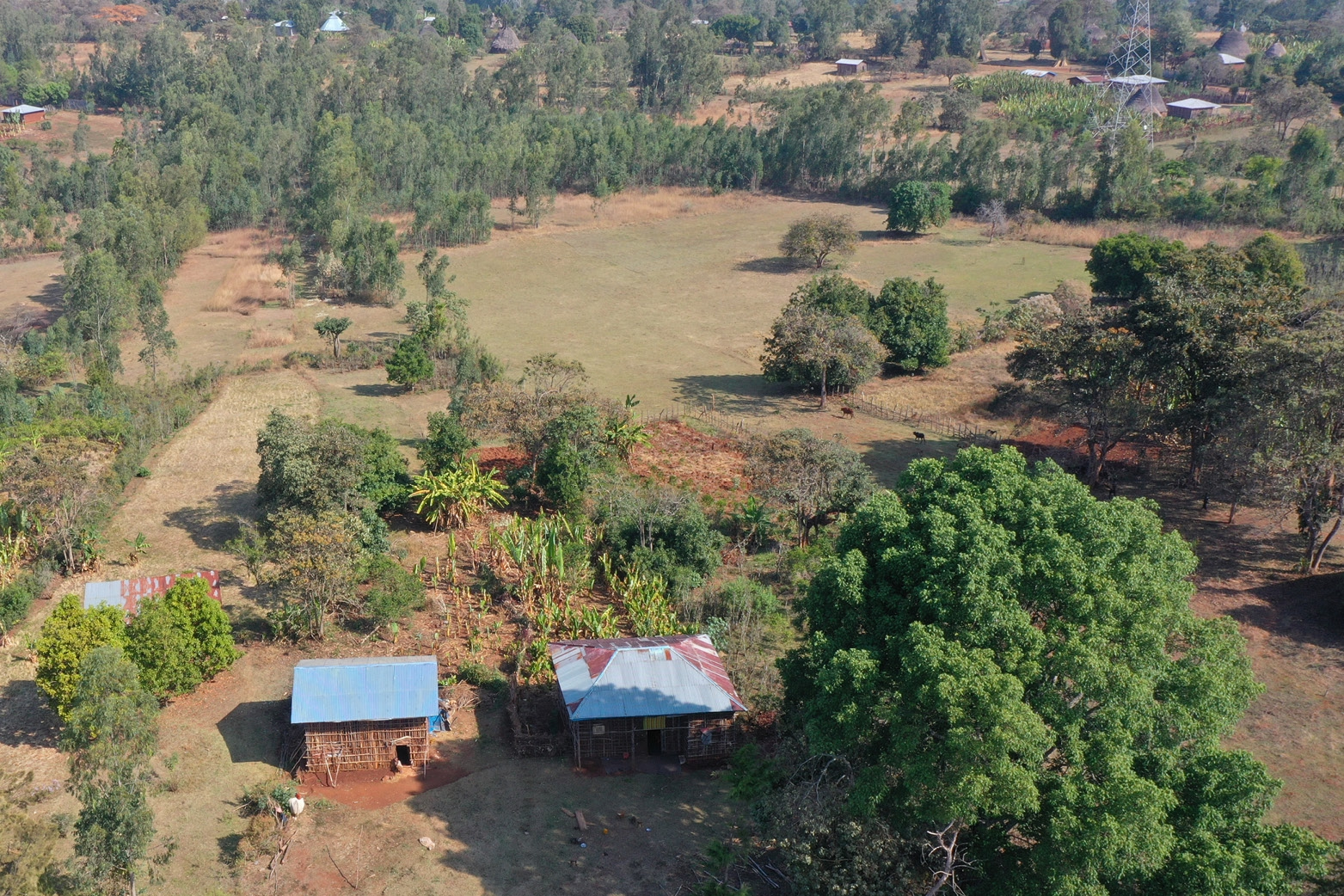
This image shows the remoteness of Genet’s village, which is not unusual in Ethiopia, where many people live in rural communities far from health services.
To reach the nearest market, where the health clinic is located, Genet would have to walk for almost two hours. There are few roads, no public transport, and the cost of hiring a car would be an impossible luxury for most families.
For women living with obstetric fistula, this isolation can make it incredibly difficult to access the treatment they need.
Daily hardship
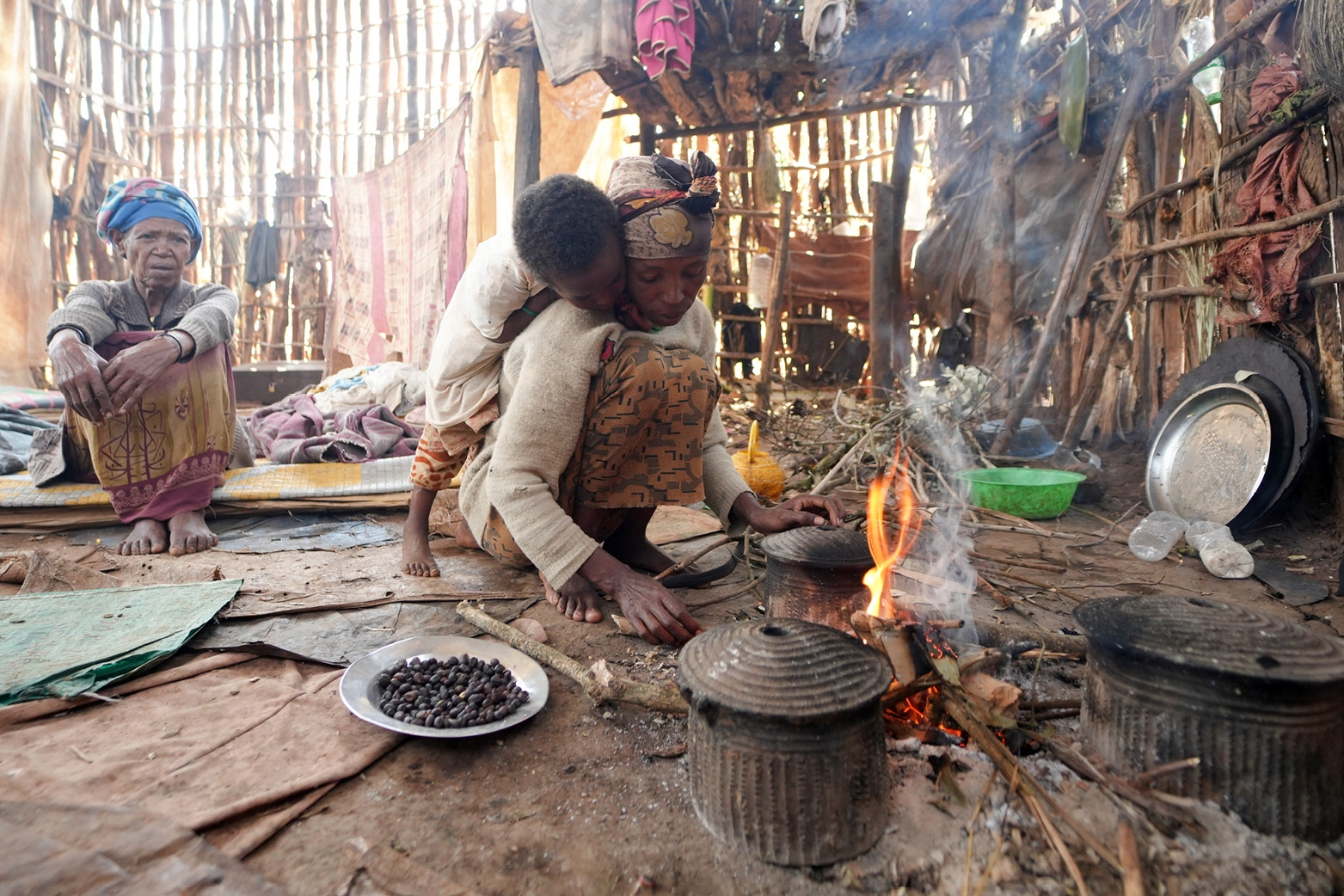
With her husband deceased, and her elderly mother and young child to care for, Genet has always struggled with poverty.
She previously earned a living through farm labor, but her condition made this extremely difficult. At one time, the family was living under a plastic tent, until Genet’s mother asked the local church for help and a small house made from wood and iron sheets was constructed.
As you can see, their home has no foundation, and the basic structure means the family is exposed to wind and rain. Without a reliable source of income, Genet and her family are always living on the edge.
Shame and isolation
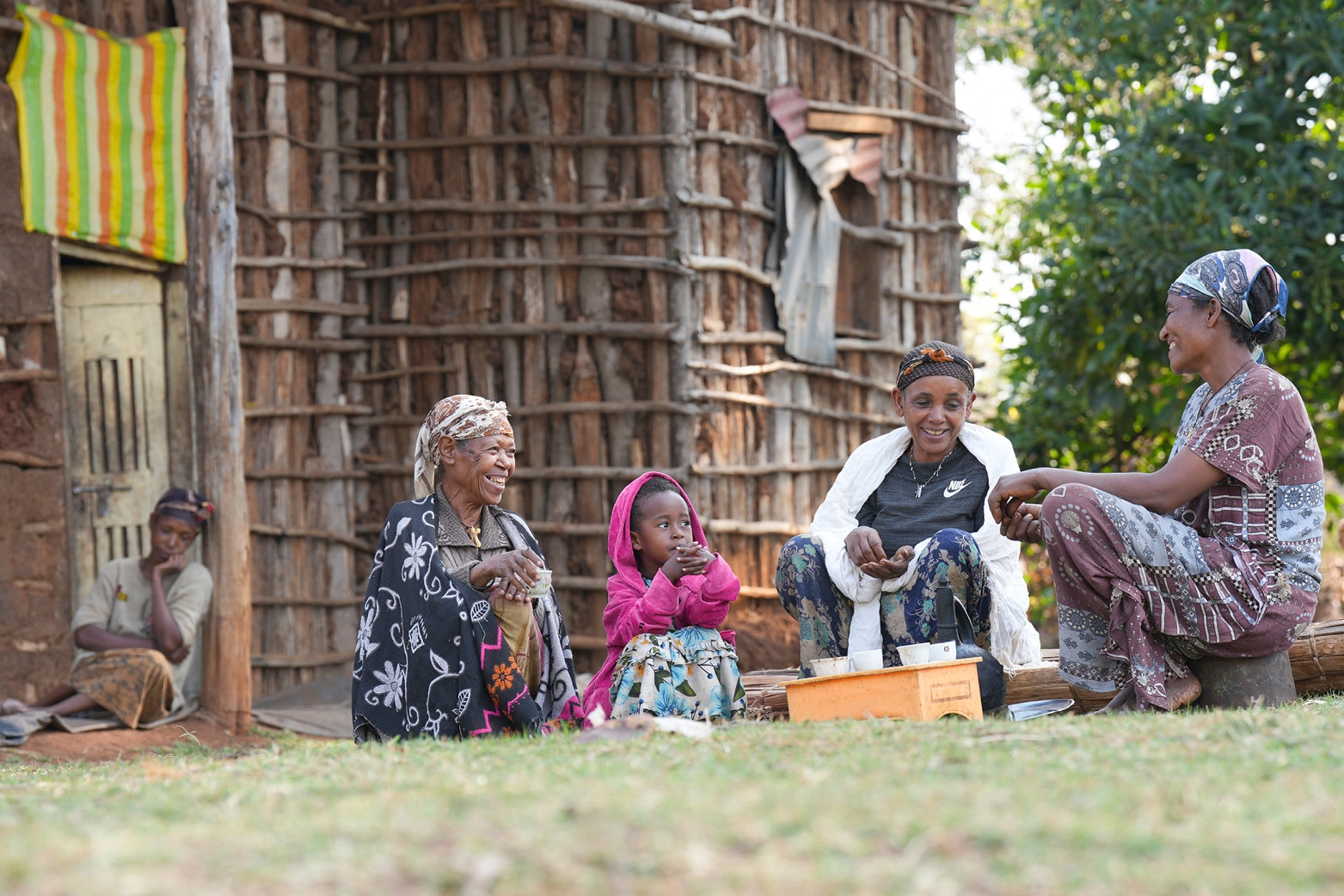
Because of her obstetric fistula, Genet was always fearful of mixing with her neighbors and local community.
She tried to visit church regularly but would often leave early and return home to wash her clothes. Much of her time was spent isolated from people outside her family.
She was, however, very fortunate to have a loving mother, who told me she always sleeps beside her daughter.
Income generation
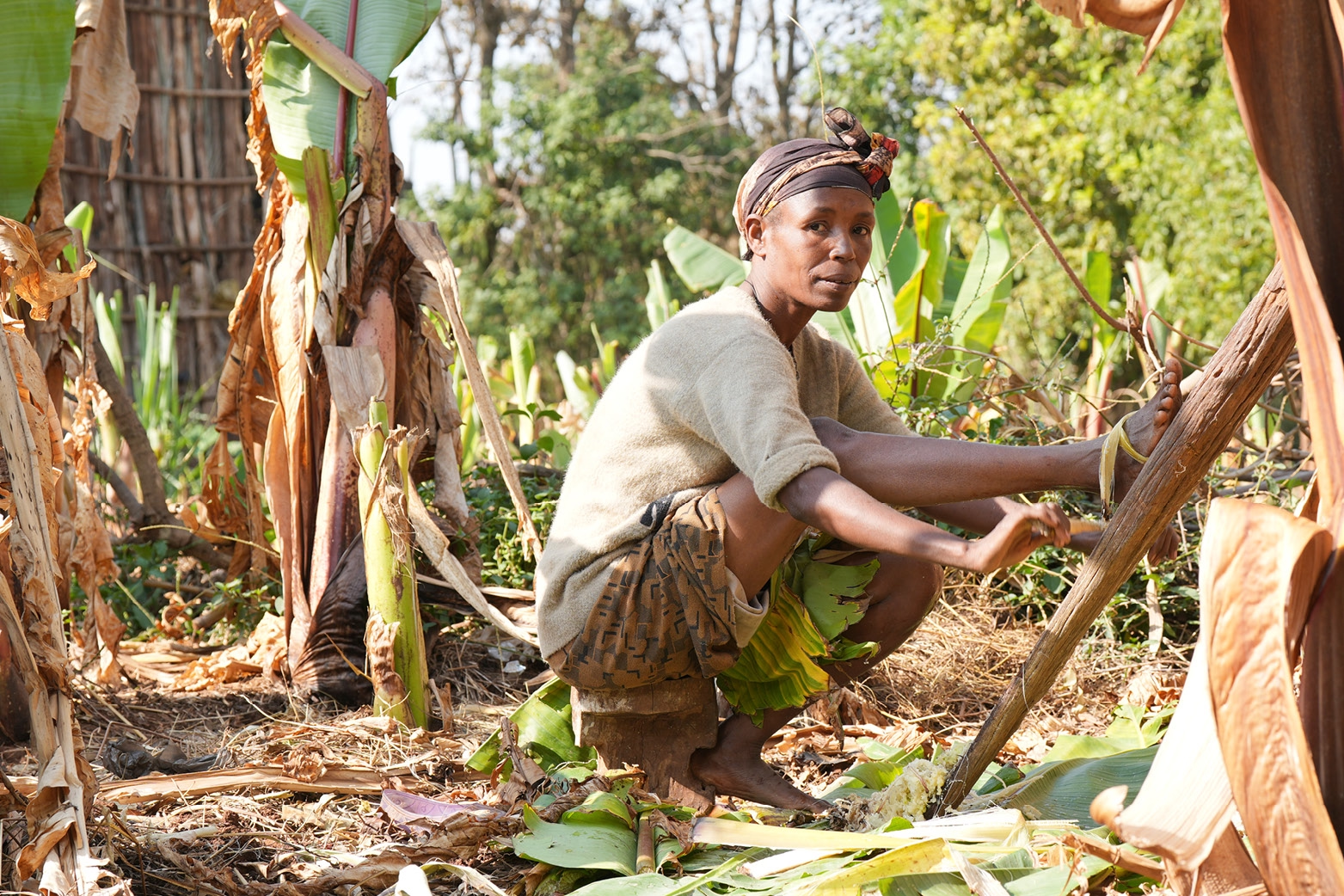
Many women in Genet’s community earn an income by scraping enset, also known as false banana, which is a staple food in the local area.
But this work is very physical and labor-intensive, even for a healthy woman, let alone someone suffering with fistula.
Because of her condition, Genet had to reduce the work she once did for her neighbors. This made it a constant struggle to feed her family, who often depended on the generosity of villagers to survive.
The journey to Addis Ababa
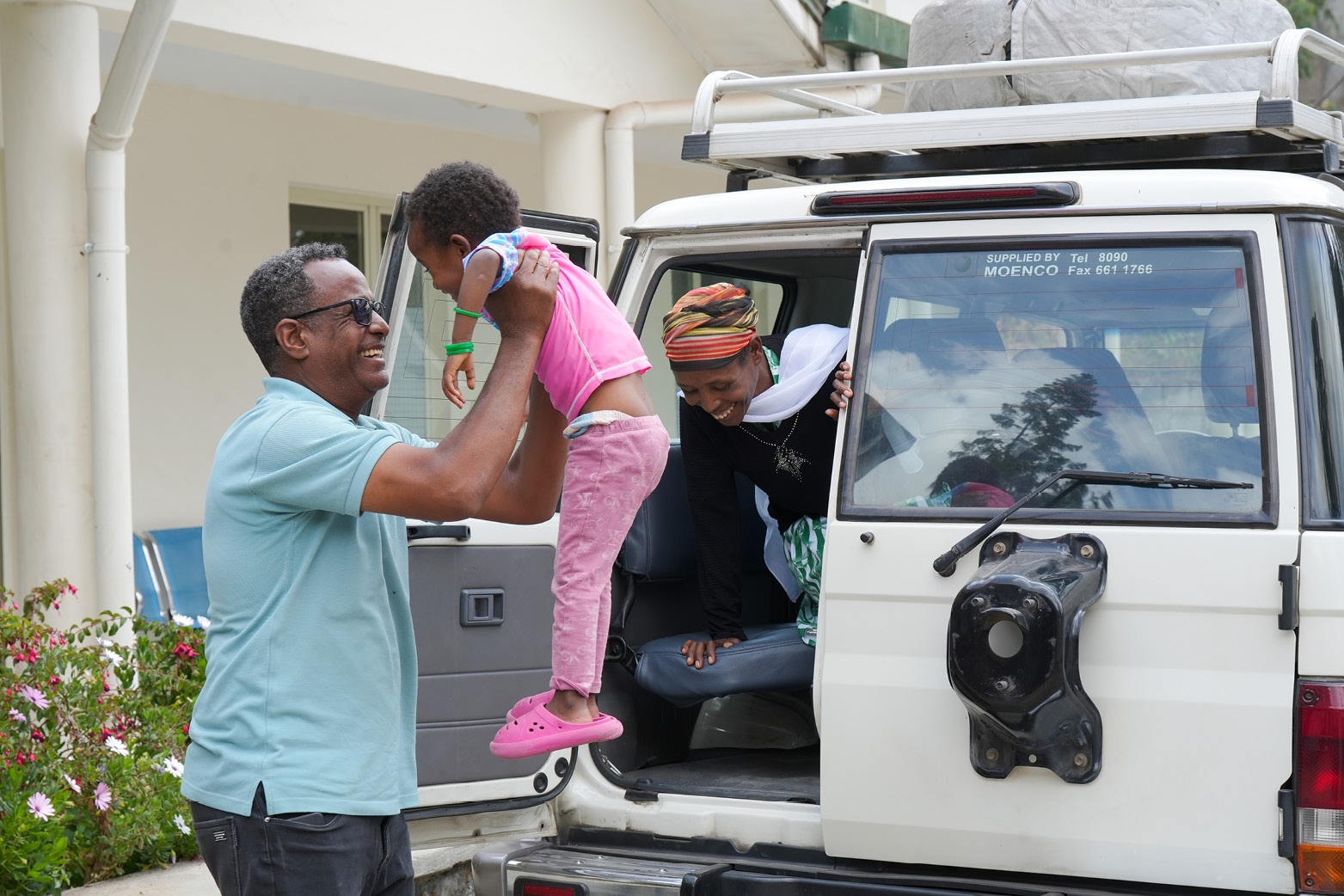
When Genet learned from Hamlin’s Patient Identification Officers that free treatment could be arranged, her only concern was her daughter.
Her mother was too elderly to care for the child alone, so it was decided that Genet’s daughter would travel with her to Addis Ababa. I could see how happy Genet and her child were during their stay at the hospital.
Hamlin also arranged transport to the hospital. This is very significant because most fistula patients would not be able to afford travel costs. For many women, the journey to treatment can still involve hours of walking before they even reach transport.
The Hamlin Model of Care
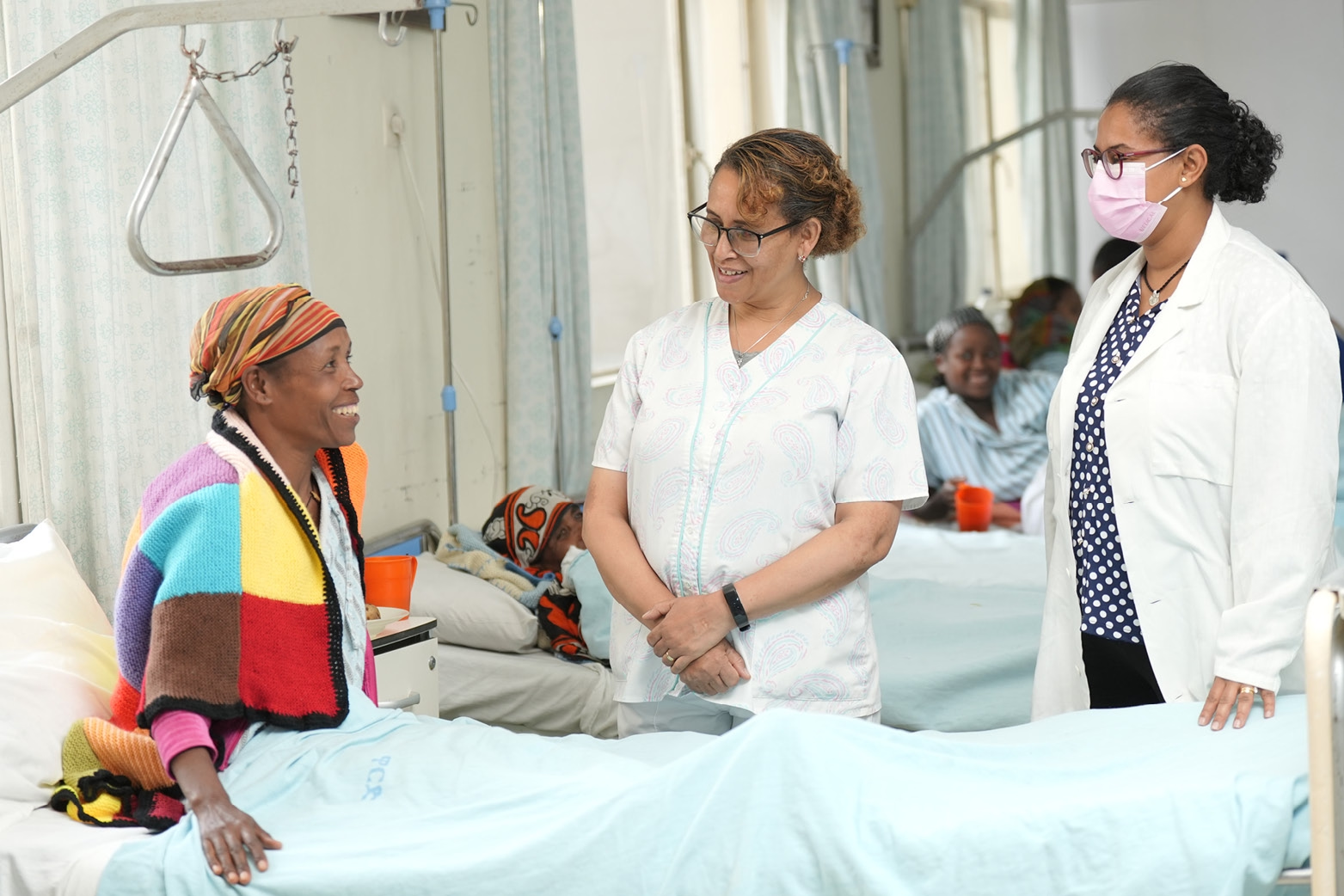
I have never seen a patient reception like the one Hamlin provides, not even in the expensive, high-class hospitals in Addis Ababa.
The nurse aides, who are themselves fistula survivors, play a critical role in comforting new patients like Genet.
She was given a Comfort Package, then helped to take a shower, while the staff also looked after her child.
I could see the happiness on her face at this reception. It was the beginning of her healing.
Genet's medical team
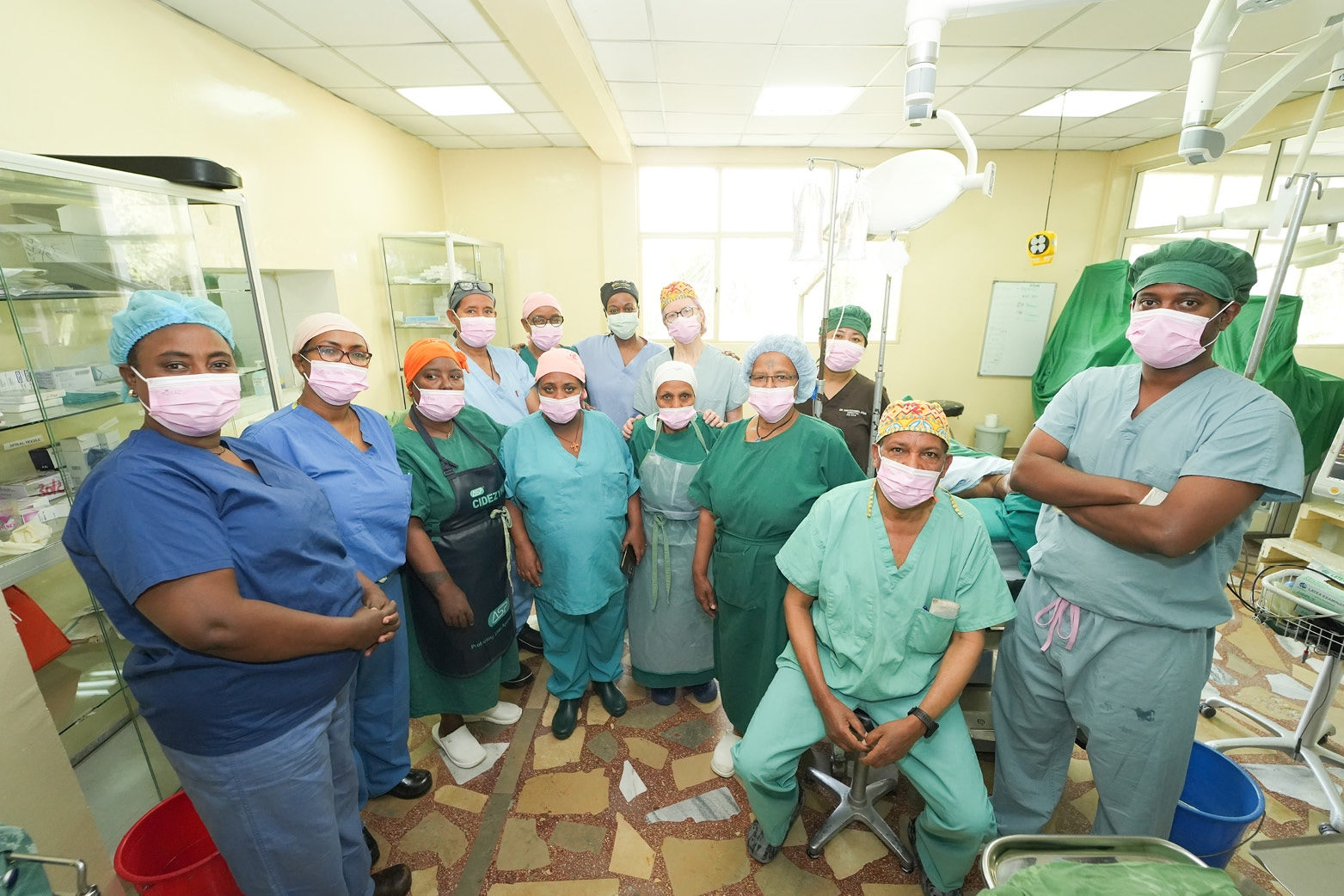
There are so many Hamlin Fistula Ethiopia staff involved in the care of a single patient.
Every nurse, nurse aide and doctor assigned to the operating theatre that day played a part in Genet’s care. All the staff you see in this photo contributed in one way or another.
The Hamlin team works closely together, and I think this is one of the things that makes the hospital so different from other places.
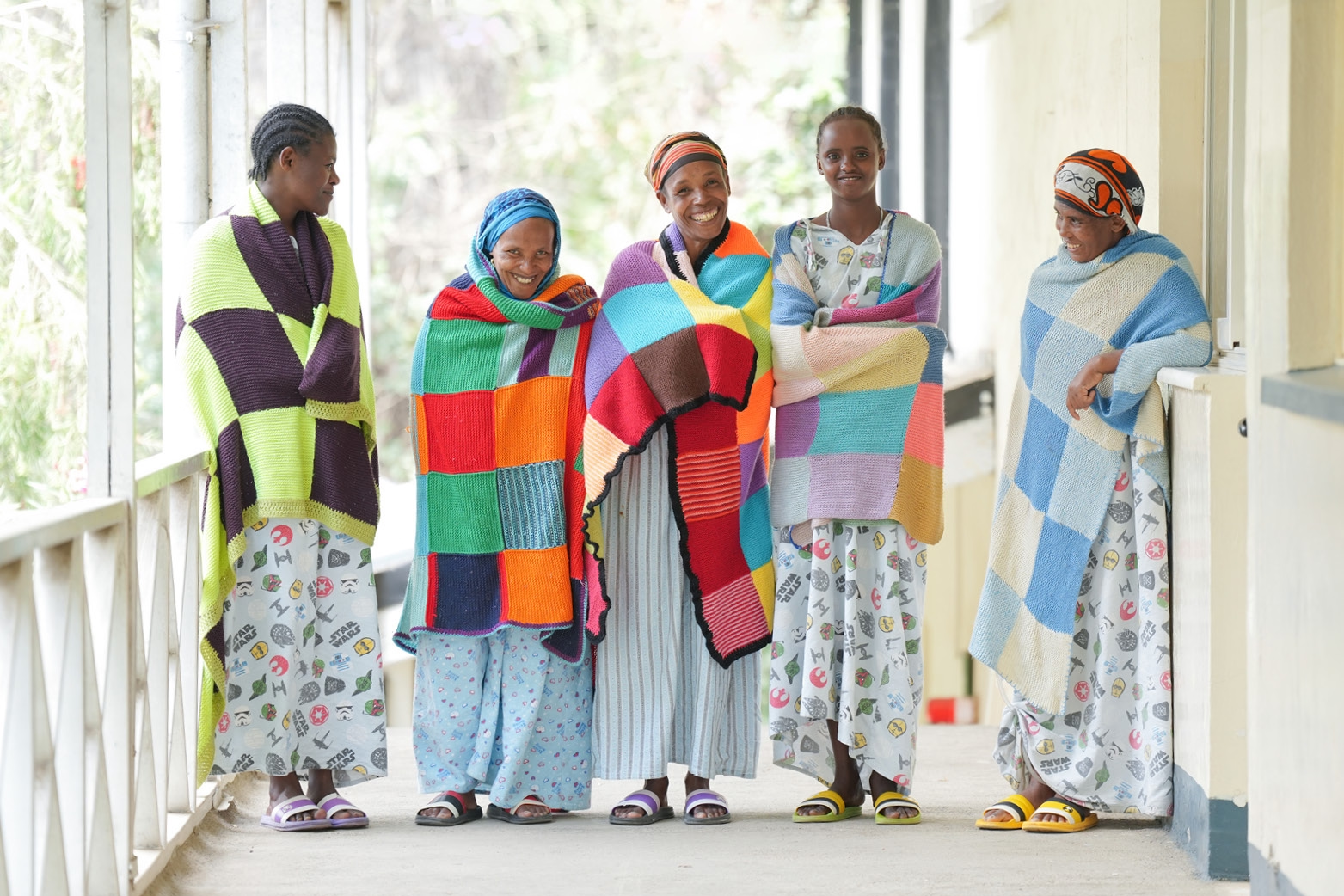
Sharing stories
I have seen the relief patients feel when they meet other women with the same problem.
The first part of their treatment starts at that moment.
When women share their stories during coffee time, in classes, or simply while chatting with one another, it makes a big contribution to their recovery.
They realise they are not alone.
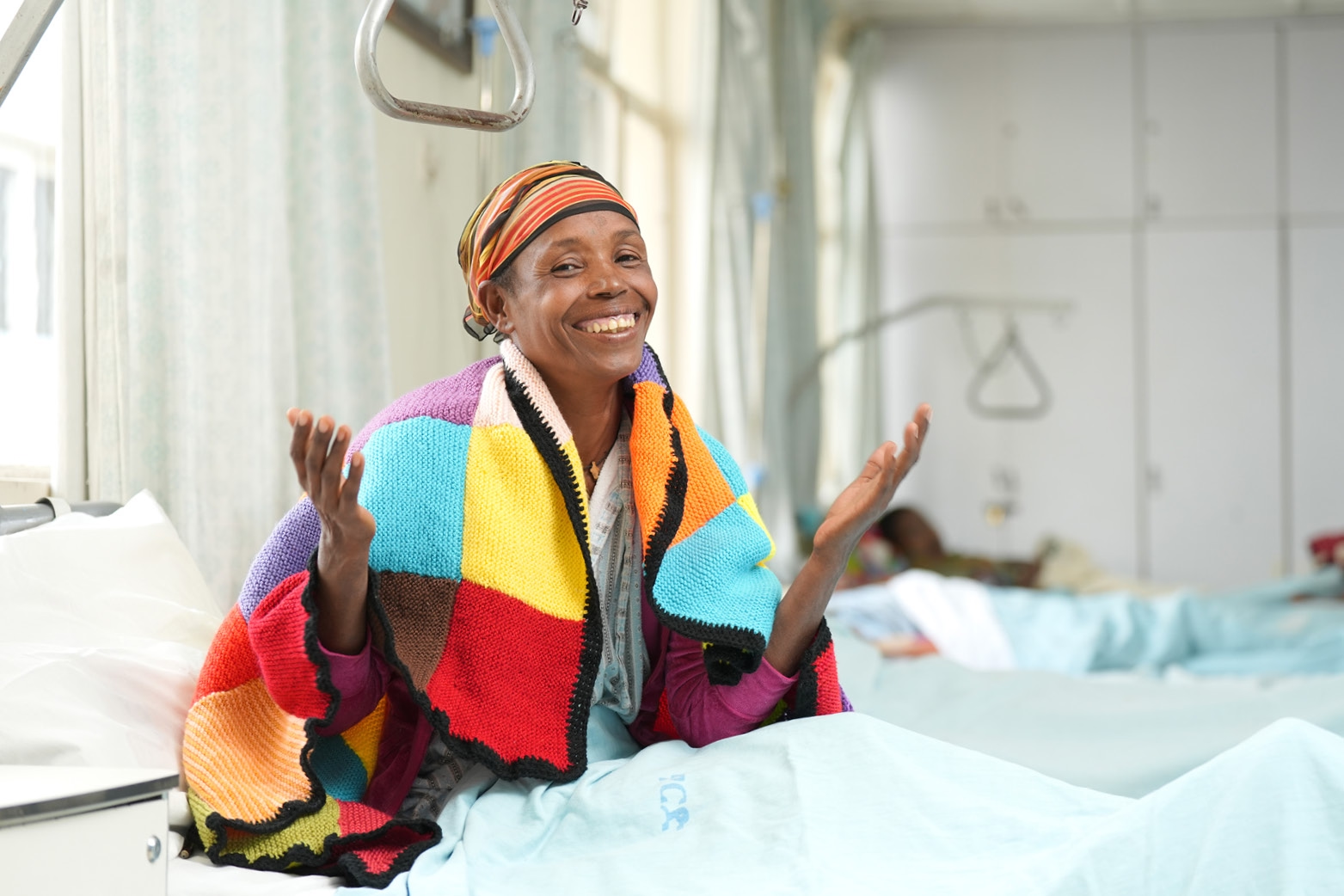
Finally, fistula free
This is when I always feel blessed and so happy to be involved in the life-changing work of Hamlin Fistula Ethiopia.
Genet’s true and deep smile in this photo tells us everything. Her happiness is impossible to describe.
I had seen Genet before her treatment, and then again after she had been cured.
It was a total transformation, both physically and psychologically.


Catherine Hamlin Fistula Foundation acknowledges the Traditional Owners and Elders past, present and emerging throughout Australia and the Gadigal people of the Eora Nation, the Traditional Owners of the land and waterways on which our Australian office is situated. We acknowledge the many ethnic groups in Ethiopia and their ancestral and cultural connection to the land where our work is undertaken.